
















Aug 9 2026
Houses of TPS
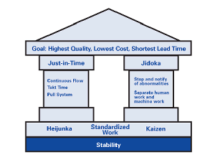
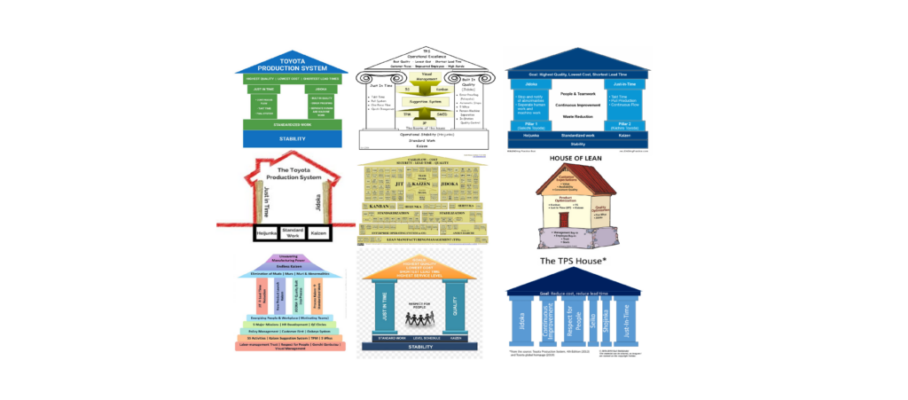
The “House of TPS,” is popular in the US and Europe as a summary of the Toyota Production System. We trace its origins and review its design and components in a 2007 version from Toyota Europe. Nigel Thurlow posted it on LinkedIn and says he was in the room when his Toyota colleagues drew it. We explore why the Greek temple theme was adopted, and suggest it may have been to make TPS appear less foreign to Americans.
Once stripped of the temple, it is a stack diagram, and we review the content of the boxes from bottom to top. While popular and widely copied in multiple variants by American consultants, the only Houses of TPS I could find in Japanese are translations of Jeffrey Liker’s.
While the House of TPS resonates with Americans, even the version developed within Toyota fails to provide more than a list of keywords, while leaving out key elements. The best it can do is motivate the reader to dig deeper.





Aug 15 2026
Japanese manufacturing terms: focus on usage, not kanji!
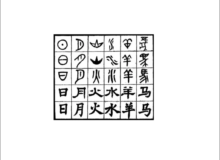
[Characters for Day, Moon, Fire, Water, Sheep, and Horse evolving over millennia, as posted by Ida Speyer on the Hutong School site]
Searching for deep meaning in Kanji within technical terms in the Toyota Production System is futile. Words evolve over time, and their current meaning is found in how people use them, not in the origins of their components.
Share this:
Like this:
By Michel Baudin • Management 0 • Tags: kanji