Feb 1 2015
Origin of One-Piece Flow at Toyota | Chip Chapados | LinkedIn
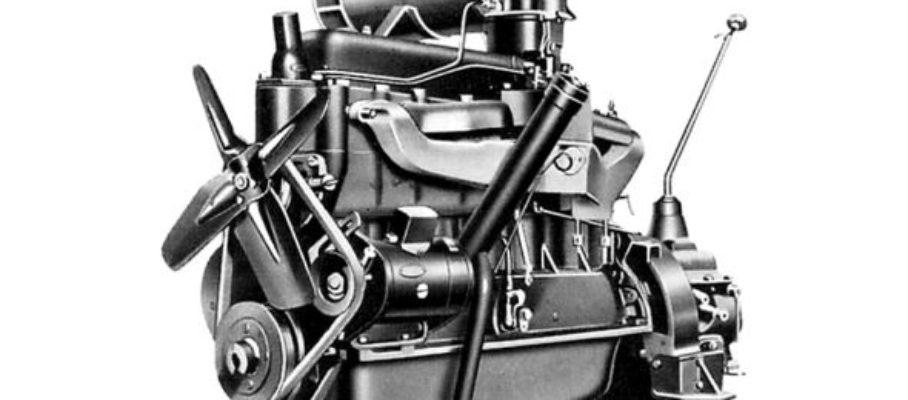
According to Chip Chapados, the concept of one-piece flow emerged from the need to rapidly detect defects in engine castings when Kiichiro Toyoda was reverse-engineering a Chevrolet engine in 1934, and it was originally called “one-by-one confirmation.”


Mar 30 2015
Toyota’s Shared-Parts Strategy | IndustryWeek
Source: www.industryweek.com
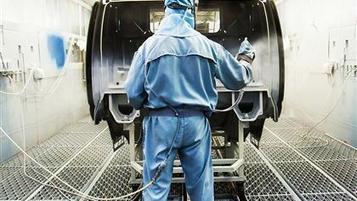
Specifics are trickling out about Toyota’s plans. It seems that they want to make more different products from fewer components and have plants that are competitive even at low volume.
Readers’ comments on the idea of having fewer platforms and more common parts are focused on the risk of extensive recalls, and the way such recalls can wipe out any savings achieved by the strategy.
It really is a matter of degree and of execution. Having fewer dashboard options might reduce the attractiveness of your products, but using fewer types of proportioning valves will not. Also, it is easier to ensure not only availability but quality as well for fewer components, making recalls less likely.
With regards to volume in a given plant, Toyota’s strategy seems a continuation of their work on the Global Body Line, in which the same infrastructure and fixtures could be used for robotic welding at high volume and manual welding at low volume.
See on Scoop.it – lean manufacturing
Share this:
Like this:
By Michel Baudin • Press clippings 1 • Tags: Toyota, Toyota Production System